
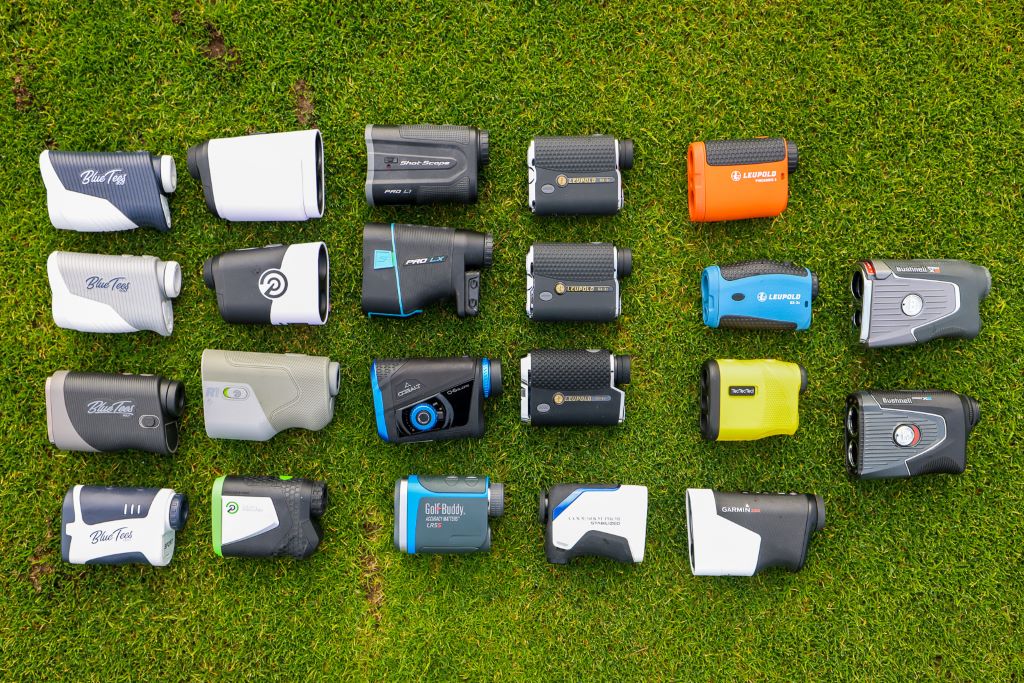
Golfers often underestimate the impact of precise distance measurement on their game. In 2026, over 70% of amateur golfers use rangefinders to improve accuracy. However, many still struggle with club selection, leading to inconsistent shots. The right tool can bridge this gap and transform your performance.
An accurate golf rangefinder eliminates guesswork and provides exact yardage to your target. This precision directly influences club selection, ensuring you pick the right tool for every shot. Additionally, laser technology has revolutionized how golfers approach shot planning and course management.
This guide will explain how rangefinders enhance club selection. It will also explore their role in improving yardage accuracy and overall game strategy.
The Importance of Precise Yardage
Yardage is the foundation of smart club selection. Without accurate distances, golfers often choose the wrong club for the shot. Studies show that even a 5-yard misjudgment can lead to a 10% drop in shot accuracy. Therefore, precise measurement is critical for consistent performance.
However, many golfers rely on markers or pacing to estimate distances. These methods are often unreliable, especially on unfamiliar courses. A golf rangefinder provides real-time, accurate data, removing the uncertainty from your decisions.
Additionally, precise yardage helps you avoid common mistakes. Overclubbing can lead to overshooting the green, while underclubbing may leave you short. An accurate golf rangefinder ensures you select the club that matches the exact distance to your target.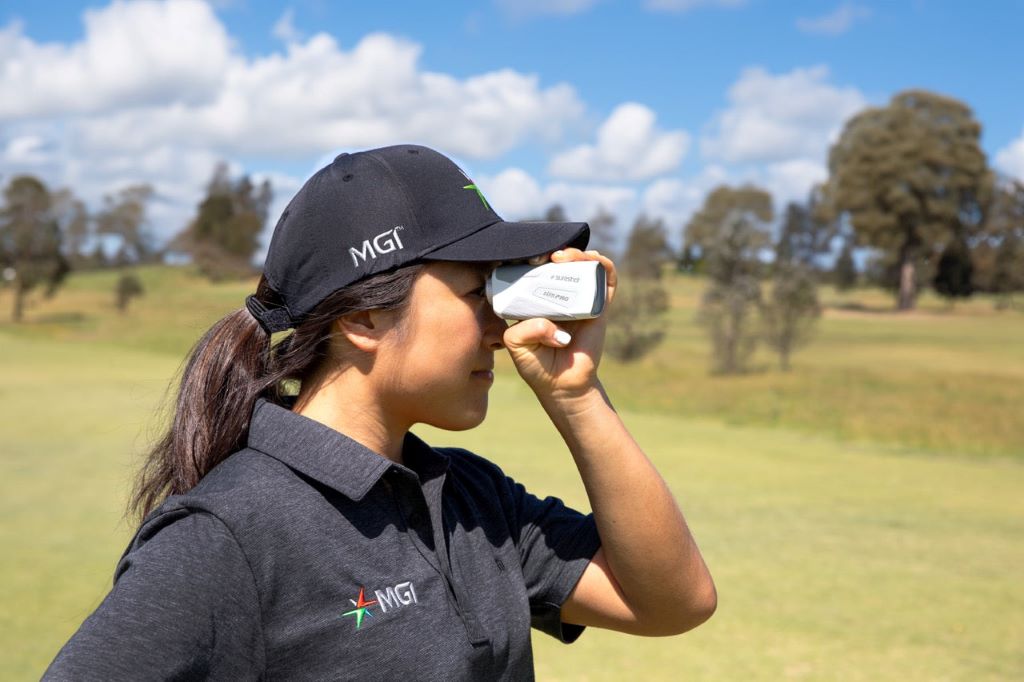
How Rangefinders Improve Club Selection
Eliminating Guesswork
An accurate golf rangefinder provides exact distances to the pin, hazards, and other landmarks. This eliminates the need for estimation and guesswork. You can trust the data to choose the right club for the shot.
For example, if the rangefinder shows 150 yards to the pin, you can confidently select a club that covers that distance. This precision leads to more consistent contact and better results.
Adapting to Course Conditions
Course conditions can vary greatly from one round to the next. Wind, elevation, and temperature all affect how the ball travels. A rangefinder with slope compensation can adjust yardages based on these factors. This helps you choose a club that accounts for the conditions.
However, even without slope compensation, a standard rangefinder improves club selection. You can use the exact yardage to adjust for conditions manually. This adaptability is a key advantage of using laser technology.
Building Confidence
Confidence plays a major role in golf. Knowing the exact distance to your target builds trust in your club selection. This confidence translates to smoother swings and better contact.
Additionally, consistent use of a rangefinder helps you develop a better feel for your clubs. Over time, you will learn the exact distances each club covers. This knowledge further refines your shot planning and club selection.
The Role of Laser Technology
Laser technology is the backbone of modern rangefinders. It uses a focused beam of light to measure distances with incredible precision. This technology provides accuracy within ±1 yard, which is essential for club selection.
However, not all laser rangefinders are equal. Some models struggle with consistency in bright sunlight or foggy conditions. Therefore, choosing a high-quality rangefinder with reliable laser technology is crucial.
Additionally, laser rangefinders allow you to measure distances to any target on the course. This includes the pin, hazards, and even trees or other landmarks. This versatility makes them a valuable tool for shot planning and course management.
Shot Planning with a Rangefinder
Shot planning is a critical aspect of golf. A rangefinder provides the data you need to make smart decisions on the course. It helps you visualize the shot and choose the right club for the situation.
For example, if you know the exact yardage to a hazard, you can plan your shot to avoid it. Similarly, if you know the distance to the pin, you can choose a club that gives you the best chance of hitting the green.
Additionally, a rangefinder can help you manage your game more effectively. You can use it to measure distances for layup shots, approach shots, and even putts. This data allows you to play smarter and more strategically.
Common Mistakes to Avoid
One common mistake is relying solely on the rangefinder without considering other factors. Wind, elevation, and lie can all affect the shot. Therefore, use the rangefinder as a tool to supplement your judgment, not replace it.
Another mistake is not practicing with your rangefinder. Like any other piece of equipment, it takes time to get comfortable with its use. Practice measuring distances and using the data to choose clubs. This will help you integrate the rangefinder into your game seamlessly.
Additionally, some golfers forget to account for pin placement. The rangefinder gives you the distance to the pin, but you must also consider its location on the green. A pin tucked behind a bunker may require a different club than one in the open.
Finally, not maintaining your rangefinder can lead to inaccurate readings. Clean the lenses regularly and replace the batteries as needed. This ensures your device remains reliable and accurate.
FAQs About Golf Rangefinders and Club Selection
How does a rangefinder help with club selection?
A rangefinder provides exact yardages to your target, allowing you to choose the club that matches the distance. This eliminates guesswork and leads to more consistent shots.
What is the most important feature in a rangefinder for club selection?
Accuracy is the most important feature. A rangefinder that provides precise distances ensures you pick the right club for every shot. Look for models with ±1 yard accuracy.
Can I use a rangefinder in tournament play?
Yes, but with restrictions. USGA rules allow rangefinders in tournaments, but they must not measure slope or other conditions. Always check the specific rules of the competition.
How do I account for wind and elevation with a rangefinder?
Some rangefinders offer slope compensation to adjust for elevation. For wind, you will need to use your judgment based on the conditions. Practice using the rangefinder in different conditions to develop a feel for these adjustments.
What is the best way to practice with a rangefinder?
Use the rangefinder during practice rounds to measure distances and choose clubs. This will help you get comfortable with the device and integrate it into your game. Focus on using the data to make smart decisions on the course.
Conclusion
An accurate golf rangefinder is a powerful tool for improving club selection and shot planning. It provides precise yardage, eliminates guesswork, and builds confidence in your decisions. Laser technology has made these devices more reliable and versatile than ever before.
Now it’s time to take action. Invest in a high-quality rangefinder and practice using it on the course. Pay attention to the data it provides and use it to refine your club selection and shot planning.
Here’s to smarter decisions, better shots, and lower scores in 2026!
Featured Image Source

