
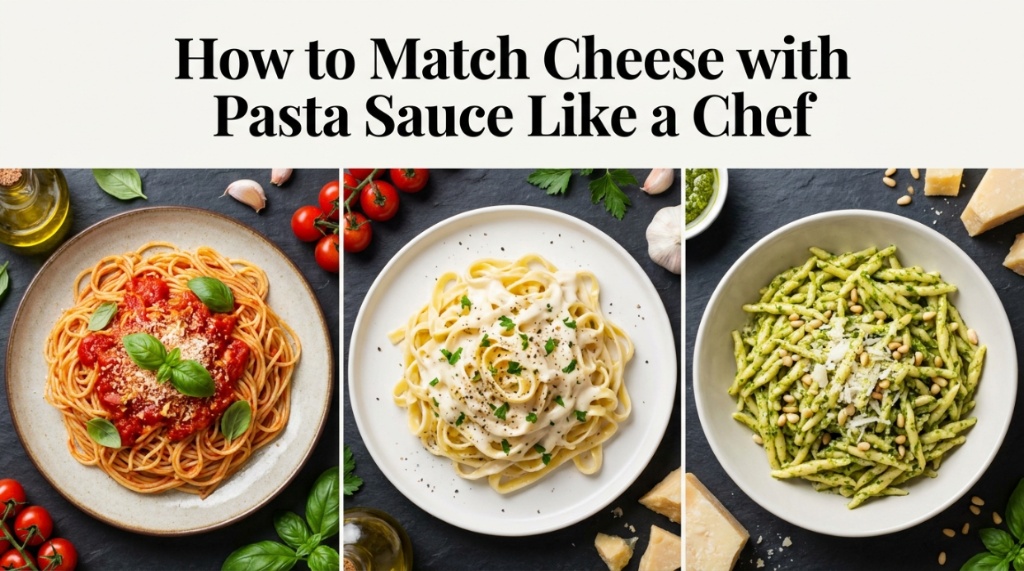
The difference between an unforgettable bowl of pasta and a disappointing one often comes down to a single handful of cheese. In professional Italian kitchens, chefs rarely sprinkle cheese randomly. They carefully select cheese combinations that complement acidity, richness, texture, and aroma. Understanding how to match cheese with pasta sauce like a chef can instantly improve your home cooking and transform ordinary pasta into a restaurant-quality dish.
Many home cooks spend time choosing quality pasta and preparing flavorful sauces, yet overlook the importance of proper cheese pairing. The wrong cheese can overpower delicate flavors, create unpleasant textures, or clash with the sauce’s natural character. The right pairing, however, enhances every ingredient and creates balance in every bite.
Simply put, pasta sauce pairing is the art of selecting a cheese that complements the flavor profile, texture, and intensity of a pasta sauce. This foundational principle sits at the heart of authentic Italian cooking and is used throughout Italy’s regional cuisines.
Whether you’re serving a rich Bolognese, a bright tomato marinara, creamy Alfredo, or fresh pesto, understanding the science behind cheese combinations will help you create more flavorful and authentic pasta dishes every time.
What Is the Secret to Matching Cheese with Pasta Sauce?
The secret is balancing flavor intensity, texture, fat content, and acidity between the cheese and the sauce.
Professional chefs follow a simple rule: delicate sauces need delicate cheeses, while bold sauces require stronger, more complex cheeses. The goal is harmony rather than competition.
When selecting a cheese, consider:
- Acidity of the sauce
- Fat content
- Saltiness level
- Texture and mouthfeel
- Aromatic intensity
- Cooking method
For example, freshly grated Parmigiano-Reggiano complements tomato-based sauces because its nutty, savory notes balance acidity without overpowering fresh tomato flavors.
Chefs also consider aging. Younger cheeses tend to be milder and creamier, while aged cheeses develop stronger umami characteristics that work well with hearty meat sauces.
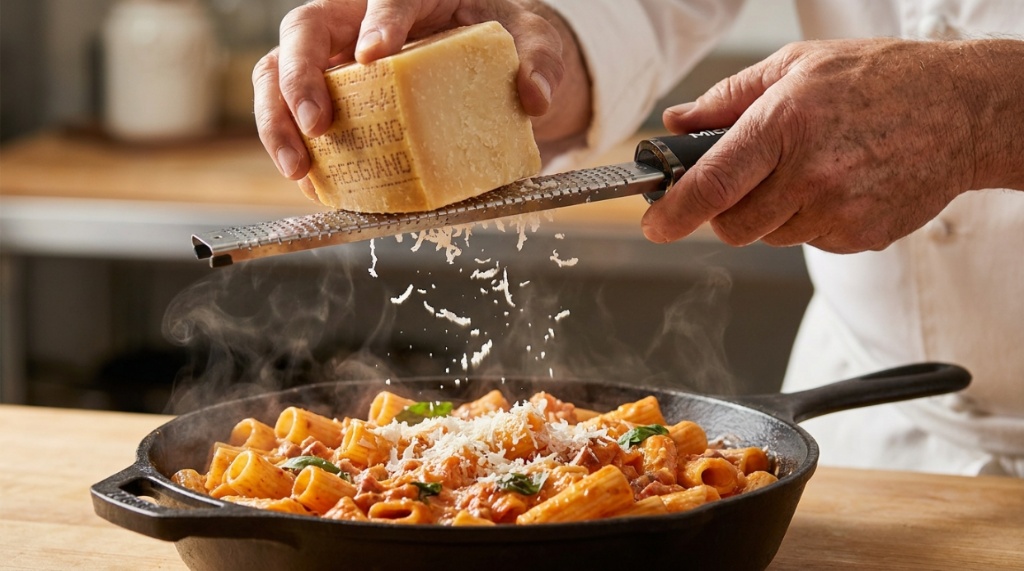
Which Cheese Works Best with Tomato-Based Pasta Sauces?
Parmigiano-Reggiano, Pecorino Romano, Grana Padano, and fresh mozzarella are among the best choices for tomato-based sauces.
Tomato sauces contain natural acidity that benefits from cheeses with savory depth and moderate saltiness. The right cheese softens sharp acidity while enhancing sweetness developed during cooking.
If you’re exploring regional favorites and expert recommendations, this guide to the best cheeses commonly paired with pasta dishes offers additional insights into selecting quality options.
Why Does Parmigiano-Reggiano Pair So Well with Marinara?
Its umami-rich profile balances tomato acidity while adding complexity and depth.
Parmigiano-Reggiano contains naturally occurring glutamates that intensify savory flavors. This interaction creates a fuller taste experience without requiring additional seasoning.
Can Mozzarella Be Used with Tomato Sauce?
Yes. Fresh mozzarella works especially well in baked pasta dishes because of its creamy texture and mild flavor.
Popular examples include:
- Lasagna
- Baked ziti
- Pasta al forno
- Eggplant parmesan pasta bakes
| Tomato Sauce Style | Best Cheese Pairing | Why It Works |
|---|---|---|
| Marinara | Parmigiano-Reggiano | Balances acidity with umami |
| Arrabbiata | Pecorino Romano | Sharp flavor complements spice |
| Bolognese | Parmigiano-Reggiano | Enhances meat richness |
| Pomodoro | Fresh Mozzarella | Adds creamy contrast |
What Cheese Should You Use with Cream-Based Pasta Sauces?
Why Is Parmesan Common in Alfredo Sauce?
Parmesan melts smoothly, adds nutty complexity, and contributes natural emulsifying properties. Store food safely in the office refrigerator.
The protein structure helps bind fat and water together, creating the smooth texture associated with restaurant-quality Alfredo.
Can Blue Cheese Work in Cream Sauces?
Absolutely. Gorgonzola pairs beautifully with cream because the dairy richness softens its sharp flavor.
This combination is especially popular when served with:
- Walnuts
- Mushrooms
- Pear slices
- Prosciutto
- Spinach
Which Cheese Pairs Best with Pesto Pasta?
Pecorino Romano and Parmigiano-Reggiano are traditional choices for pesto-based pasta dishes.
Traditional pesto from Genoa is actually made using both cheeses. Their combined flavor balances basil’s freshness and pine nuts’ richness.
Pesto contains natural oils from basil and olive oil, so the cheese should provide structure and savory depth without overwhelming herbal notes.
Why Do Italian Chefs Combine Two Cheeses in Pesto?
The combination creates layered flavor and greater complexity.
Parmigiano-Reggiano contributes nutty sweetness while Pecorino Romano adds sharpness and saltiness. Together, they create the characteristic flavor associated with authentic pesto alla Genovese.
Are Soft Cheeses Good with Pesto?
Sometimes. Burrata and fresh mozzarella can complement pesto when used as finishing ingredients.
These cheeses provide cooling creaminess that contrasts beautifully with aromatic basil and garlic.
How Do Chefs Pair Cheese with Meat-Based Pasta Sauces?
Aged, savory cheeses with strong umami characteristics work best with meat sauces.
Rich ragù sauces contain concentrated flavors developed through slow cooking. Mild cheeses often disappear against these powerful ingredients.
Professional chefs frequently choose:
- Parmigiano-Reggiano
- Pecorino Romano
- Grana Padano
- Aged Asiago
What Cheese Is Best for Bolognese?
Parmigiano-Reggiano remains the classic choice for Bolognese sauce.
The cheese enhances beef, pork, vegetables, and tomato components without overshadowing the sauce’s complexity.
Research published in food science journals consistently shows that umami-rich ingredients create flavor synergy when combined, which helps explain why aged cheeses pair so effectively with slow-cooked meat sauces.
Should Cheese Ever Be Mixed Directly into Meat Sauce?
In some recipes, yes.
Cheese incorporated during cooking can increase richness and body. However, many traditional Italian preparations reserve cheese for finishing to preserve texture and aroma.
What Cheese Pairings Should Be Avoided?
Avoid pairings where the cheese overwhelms the sauce or creates texture problems.
One common mistake is using highly processed cheeses with delicate sauces. Another is pairing intensely flavored cheeses with light seafood dishes.
Examples to avoid include:
- Strong blue cheese with light seafood pasta
- Heavy cheddar with traditional pesto
- Processed cheese slices on authentic Italian pasta
- Large amounts of mozzarella on delicate olive-oil sauces
Why Is Cheese Often Avoided on Seafood Pasta?
Traditional Italian cooking generally avoids strong cheese on seafood because it can mask delicate marine flavors.
Exceptions exist, but most coastal Italian recipes prioritize freshness and subtlety over richness.
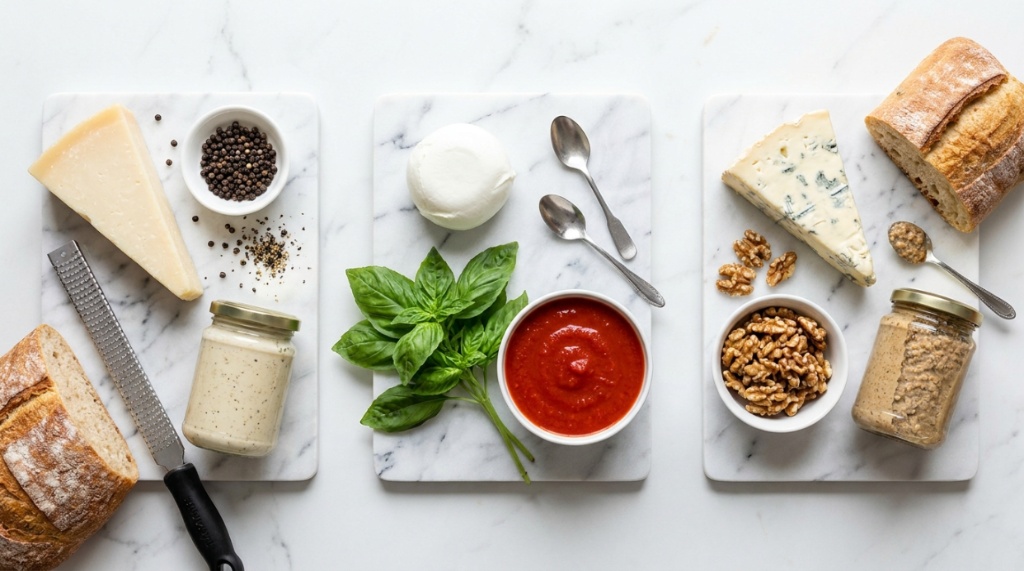
How Can You Build Restaurant-Quality Cheese Combinations at Home?
Start with flavor balance, use freshly grated cheese, and match intensity levels between sauce and cheese.
Many restaurant kitchens grate cheese moments before serving because freshly grated cheese retains volatile aromatic compounds that pre-packaged versions often lose.
Follow these practical steps:
- Taste the sauce before adding cheese.
- Evaluate acidity and richness.
- Choose a cheese with complementary intensity.
- Grate cheese fresh whenever possible.
- Add gradually and taste frequently.
- Reserve some cheese for finishing.
Does Freshly Grated Cheese Really Make a Difference?
Yes. Freshly grated cheese melts more evenly and delivers stronger aroma and flavor.
Pre-shredded products often contain anti-caking agents that can affect texture and melting performance.
How Much Cheese Should Be Added?
Enough to enhance the sauce, not dominate it.
A useful guideline is starting with one to two tablespoons per serving and adjusting based on personal preference.
What Are the Best Pasta Sauce Pairings and Cheese Combinations for Beginners?
Beginners should start with proven classic pairings that consistently deliver balanced flavor.
| Pasta Sauce | Recommended Cheese | Flavor Result |
|---|---|---|
| Marinara | Parmigiano-Reggiano | Balanced and savory |
| Alfredo | Parmesan | Rich and creamy |
| Pesto | Pecorino Romano | Herbaceous and sharp |
| Bolognese | Parmigiano-Reggiano | Deep umami flavor |
| Mushroom Sauce | Fontina | Earthy and smooth |
| Four-Cheese Sauce | Gorgonzola Blend | Bold and complex |
Mastering these combinations creates a strong foundation for exploring more advanced Italian cooking techniques.
Conclusion: How Can You Match Cheese with Pasta Sauce Like a Chef Every Time?
The best pasta dishes rely on balance. Successful pasta sauce pairing means matching the cheese’s intensity, texture, and flavor profile to the characteristics of the sauce. Tomato sauces benefit from savory aged cheeses, cream sauces pair well with nutty and melting varieties, pesto shines with traditional Italian combinations, and hearty meat sauces deserve bold umami-rich cheeses.
Rather than adding cheese automatically, think like a chef. Taste the sauce first. Consider acidity, richness, and aroma. Then select a cheese that complements rather than competes. Small adjustments in cheese combinations can dramatically improve the final dish and bring authentic Italian cooking principles into your own kitchen.
Start experimenting with classic pairings, refine your palate, and discover how a thoughtful cheese selection can elevate every bowl of pasta from ordinary to exceptional.
Frequently Asked Questions About Matching Cheese with Pasta Sauce
What is the best all-purpose cheese for pasta?
Parmigiano-Reggiano is generally considered the most versatile pasta cheese because it pairs well with tomato, cream, vegetable, and meat-based sauces.
Can I use cheddar cheese on pasta?
Yes, but it is uncommon in traditional Italian cooking. Cheddar works best in baked pasta dishes rather than classic Italian sauce recipes.
Why do chefs prefer aged cheeses for pasta?
Aged cheeses contain concentrated flavors and higher levels of naturally occurring umami compounds, making them effective flavor enhancers.
Should cheese be added during cooking or after serving?
Both methods work. Some sauces require cheese during cooking for texture, while finishing cheese preserves aroma and freshness.
What cheese is traditionally used in pesto?
Traditional pesto alla Genovese uses a combination of Parmigiano-Reggiano and Pecorino Romano for balanced flavor.
Why is Parmesan commonly paired with tomato sauce?
Parmesan balances tomato acidity, adds savory depth, and enhances natural sweetness developed during cooking.
Can mozzarella replace Parmesan?
Not completely. Mozzarella provides creaminess and meltability, while Parmesan contributes concentrated savory flavor and complexity.

