Vehicle equity loans offer a way to access cash by using your car, truck, or motorcycle as collateral. However, the amount you can borrow depends heavily on the type of vehicle you own. Understanding these borrowing limits helps you make informed financial decisions and set realistic expectations when applying for a loan.
What Are Vehicle Equity Loans
A vehicle equity loan allows you to borrow money against the value of your vehicle. Lenders assess your car’s worth and typically offer a percentage of that value as a loan. The vehicle serves as collateral, which means the lender can repossess it if you fail to repay the loan. These loans differ from traditional auto loans because you already own the vehicle outright or have significant equity built up.
Most lenders require you to have clear ownership or substantial equity in your vehicle. Additionally, they evaluate the vehicle’s condition, mileage, age, and market demand. The loan amount you receive directly correlates with these factors and the specific type of vehicle you own.
How Vehicle Type Affects Borrowing Limits
Different vehicle types carry different values in the lending market. Consequently, borrowing limits vary significantly based on what you drive. Lenders consider factors like depreciation rates, market demand, and resale value when determining how much they will lend against each vehicle type.
Generally, vehicles that hold their value better qualify for higher loan amounts. Meanwhile, those that depreciate quickly or have limited market appeal result in lower borrowing limits. Understanding these distinctions helps you gauge what to expect from lenders.
Passenger Cars and Sedans
Standard passenger cars and sedans typically qualify for moderate vehicle equity loans. The borrowing limit usually ranges from 50 percent to 85 percent of the vehicle’s current market value. However, luxury sedans from brands like Mercedes-Benz, BMW, or Lexus often command higher loan amounts due to their stronger resale values.
Economy cars and older sedans face more restrictive limits. Lenders recognize that these vehicles depreciate faster and may have limited resale appeal. Therefore, you might receive offers on the lower end of the percentage range. Newer sedans in excellent condition naturally fetch better loan terms than older models with high mileage.
Trucks and Pickup Vehicles
Pickup trucks generally qualify for some of the highest vehicle equity loan amounts. These vehicles maintain strong resale values due to consistent market demand. Popular models from Ford, Chevrolet, Ram, and Toyota often retain 60 percent to 90 percent of their value for several years.
Consequently, lenders feel more confident offering higher loan amounts against trucks. Full-size pickups typically qualify for loans ranging from 60 percent to 90 percent of their current value. Additionally, trucks used for commercial purposes or those with special features like four-wheel drive command premium borrowing limits.
Work trucks with lower mileage and minimal wear receive the most favorable terms. However, heavily used trucks with extensive mileage face reduced borrowing limits despite their inherent value retention.
SUVs and Crossovers
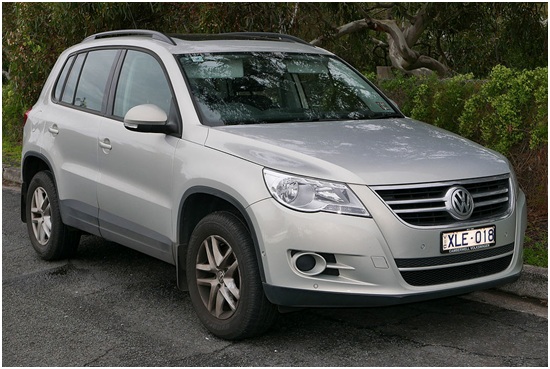
Sport utility vehicles and crossovers occupy a middle ground in vehicle equity lending. These vehicles typically qualify for loans between 55 percent and 85 percent of their market value. The wide range reflects the diversity within this category, from compact crossovers to large luxury SUVs.
Luxury SUVs from brands like Range Rover, Cadillac, or Porsche can secure higher borrowing limits. These vehicles maintain strong market appeal and resale values. Meanwhile, smaller crossovers may face slightly lower limits compared to their full-size counterparts.
Family-oriented SUVs with third-row seating often qualify for favorable loan terms due to consistent buyer demand. Furthermore, SUVs with all-wheel drive or four-wheel drive capabilities typically receive better offers than two-wheel drive versions.
Vans and Minivans
Vans and minivans present unique challenges in vehicle equity lending. Passenger minivans generally qualify for moderate loans, typically 50 percent to 75 percent of their current value. These vehicles serve specific family needs but have more limited resale markets compared to trucks or SUVs.
Cargo vans used for business purposes may qualify for higher amounts, especially popular commercial models from Ford, Mercedes-Benz, or Ram. Lenders recognize the practical value these vehicles provide to small businesses. Therefore, well-maintained commercial vans can secure loans approaching 70 percent to 80 percent of their value.
Conversion vans or specialized passenger vans face more restrictive borrowing limits due to their niche appeal. Additionally, older minivans with high mileage typically receive offers on the lower end of the spectrum.

Motorcycles and Recreational Vehicles
Motorcycles qualify for vehicle equity loans, but borrowing limits are considerably lower than cars or trucks. Most lenders offer between 40 percent and 70 percent of a motorcycle’s current value. The wide variation depends on brand, model, condition, and market demand.
Premium motorcycles from Harley-Davidson, Indian, or high-end sport bike manufacturers typically qualify for higher percentages. These bikes maintain stronger resale values and have dedicated enthusiast markets. Conversely, entry-level or older motorcycles face stricter lending limits.
Recreational vehicles including ATVs, jet skis, and snowmobiles generally qualify for even more conservative loan amounts. Lenders view these as luxury items with seasonal demand, resulting in borrowing limits around 40 percent to 60 percent of current value.
Luxury and Exotic Vehicles
Luxury and exotic vehicles present interesting scenarios for vehicle equity loans. High-end cars from manufacturers like Ferrari, Lamborghini, Bentley, or Rolls-Royce can qualify for substantial loan amounts. However, lenders approach these carefully due to volatile market values and limited buyer pools.
Established luxury brands like Mercedes-Benz, BMW, and Audi typically qualify for loans between 60 percent and 85 percent of their value. These vehicles maintain predictable depreciation patterns and steady market demand. Additionally, certified pre-owned luxury vehicles often receive more favorable terms than non-certified counterparts.
Exotic supercars face more scrutiny despite their high values. Lenders recognize these vehicles appeal to limited markets and can experience unpredictable value fluctuations. Therefore, borrowing limits might be more conservative, even for expensive models.
Electric and Hybrid Vehicles
Electric and hybrid vehicles have become increasingly common in vehicle equity lending. Popular models from Tesla, Toyota, Honda, and Ford qualify for competitive loan amounts. These vehicles typically secure loans ranging from 55 percent to 80 percent of their current market value.
Electric vehicle values have stabilized as the market matures. Models with strong brand recognition and proven reliability, like the Tesla Model 3 or Toyota Prius, qualify for favorable borrowing limits. However, lesser-known electric brands or models with limited range may face lower loan offers.
Battery condition significantly impacts borrowing limits for electric vehicles. Lenders assess battery health and remaining warranty coverage when determining loan amounts. Vehicles with degraded batteries or expired warranties receive reduced offers compared to those with healthy battery systems.
According to consumer financial experts at NerdWallet, understanding your vehicle’s true market value is essential before applying for an equity loan. They recommend researching current values through multiple sources to ensure you receive fair loan offers.
Factors Beyond Vehicle Type
While vehicle type plays a crucial role, other factors also influence borrowing limits. Your credit score significantly affects loan terms and amounts. Borrowers with excellent credit typically qualify for higher percentages of their vehicle’s value compared to those with poor credit.
The loan-to-value ratio represents another critical factor. Most lenders cap this ratio between 80 percent and 100 percent, meaning you can borrow up to that percentage of your vehicle’s appraised value. Additionally, your income and debt-to-income ratio influence how much lenders are willing to offer.
Vehicle condition matters tremendously. A well-maintained vehicle with service records qualifies for higher amounts than one with visible damage or mechanical issues. Similarly, lower mileage vehicles command better loan terms than high-mileage counterparts of the same make and model.
Regional Market Variations
Geographic location affects vehicle equity loan limits more than many borrowers realize. Certain vehicle types maintain stronger values in specific regions. For example, pickup trucks command premium values in rural areas and southern states, while compact cars may be more valuable in urban markets.
Regional economic conditions also impact lending practices. Areas with stronger economies and lower unemployment rates often see more competitive loan offers. Furthermore, state regulations governing vehicle equity loans vary, affecting maximum loan amounts and terms.
Climate considerations play a subtle role as well. Four-wheel drive vehicles maintain higher values in regions with harsh winters. Conversely, convertibles and motorcycles may hold value better in warmer climates with year-round riding seasons.
Maximizing Your Borrowing Potential
Several strategies can help you maximize your vehicle equity loan amount. First, maintain comprehensive service records demonstrating regular maintenance. These records prove responsible ownership and help justify higher loan values. Additionally, address any cosmetic or mechanical issues before applying, as repairs can significantly increase your vehicle’s appraised value.
Shopping around among multiple lenders is essential. Different institutions have varying risk tolerances and lending criteria. Online lenders, credit unions, and traditional banks each offer distinct advantages. Comparing offers ensures you receive the best possible terms for your specific vehicle type.
Timing your loan application strategically can also help. Applying when your vehicle type is in high demand may result in better offers. For instance, truck owners might receive favorable terms in spring when construction season begins.
Resources like Kelley Blue Book provide reliable vehicle valuations that help you enter negotiations informed about your vehicle’s true worth. Armed with accurate information, you can better evaluate whether loan offers are fair and competitive.
Conclusion
Vehicle equity loan borrowing limits vary significantly based on the type of vehicle you own. Trucks and popular SUVs typically qualify for the highest loan amounts, while motorcycles and niche vehicles face more restrictive limits. Understanding these distinctions helps you set realistic expectations and make informed borrowing decisions.
Beyond vehicle type, factors like condition, mileage, credit score, and regional market conditions all influence how much you can borrow. Researching your vehicle’s current value, maintaining proper documentation, and comparing offers from multiple lenders will help you secure the best possible terms. Whether you drive a sedan, truck, luxury car, or electric vehicle, knowing the borrowing landscape empowers you to make smart financial choices.
Frequently Asked Questions
What is the typical maximum loan amount for a vehicle equity loan?
Most vehicle equity loans range from 50 percent to 90 percent of your vehicle’s current market value. The exact percentage depends on vehicle type, condition, lender policies, and your creditworthiness. Trucks typically qualify for higher percentages than sedans or motorcycles.
Can I get a vehicle equity loan on a car that isn’t paid off?
Yes, you can obtain a vehicle equity loan if you have substantial equity in your vehicle. Lenders subtract your remaining loan balance from the vehicle’s value to determine available equity. However, you need enough equity to make the loan worthwhile for both you and the lender.
Do vehicle equity loans require credit checks?
Most lenders perform credit checks when evaluating vehicle equity loan applications. Your credit score affects loan terms, interest rates, and borrowing limits. However, some lenders specialize in loans for borrowers with poor credit, though these typically come with higher interest rates and fees.
How long do vehicle equity loans typically last?
Vehicle equity loan terms usually range from 12 months to 60 months, though some lenders offer longer terms. Shorter terms mean higher monthly payments but less interest paid overall. Longer terms reduce monthly payments but increase total interest costs over the loan’s life.
What happens if I cannot repay my vehicle equity loan?
If you default on a vehicle equity loan, the lender can repossess your vehicle to recover their losses. They will sell the vehicle and apply the proceeds to your outstanding balance. You may still owe money if the sale doesn’t cover the full loan amount plus fees.
Related Topics: