
Weather does not create every pest problem, but it strongly influences when pests feed, breed, travel, and look for shelter. For homeowners, understanding those seasonal shifts makes prevention more practical. A consistent plan that combines home maintenance with professional pest control when needed can address pest pressure before a minor sighting becomes a larger issue. Alliance Pest Services can provide professional guidance for homeowners who need help identifying recurring pest activity and addressing conditions that may contribute to it.
Temperature, rainfall, humidity, and dry periods affect pests differently. Ants may move indoors after heavy rain disrupts their nests, mosquitoes need water to reproduce, and rodents often seek protected indoor spaces when outdoor conditions become less comfortable. Food sources, landscaping, construction gaps, and moisture problems inside the home also shape what happens on a property.
Why Weather Changes Pest Activity
Warm weather can accelerate many insects’ development and activity, while cool conditions may slow them. Rain can create standing water, damp mulch, wet leaf litter, and saturated soil that favor some pests. Prolonged drought, however, may bring insects and wildlife closer to homes seeking water.
Mild winters can keep pests active longer or prompt earlier spring emergence. However, warmth alone does not guarantee more pests. Local species, vegetation, sanitation, moisture, entry points, and shelter also matter. Seasonal weather is only one factor.
Spring: Early Activity Begins
Spring often brings increased activity from ants, termites, flies, mosquitoes, ticks, and other pests as temperatures rise. Wet conditions can be especially disruptive to ground-dwelling insects, sometimes pushing them toward foundations, patios, garages, and interior spaces.
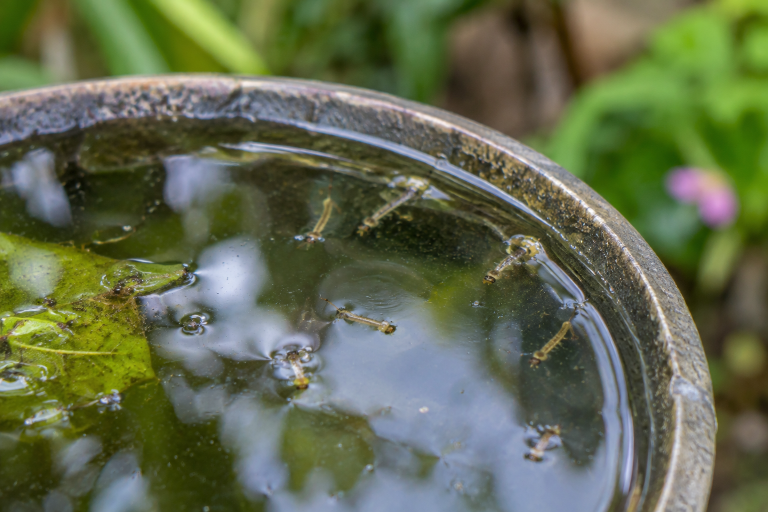
This is also the time to remove water-holding items around the yard. Flowerpots, buckets, toys, tarps, clogged gutters, and uncovered containers can retain rainwater. Even small amounts of standing water can support mosquito development when conditions are suitable.
Spring Inspection List
- Check beneath sinks and around outdoor faucets for active leaks.
- Empty containers that collect rainwater after storms.
- Trim shrubs and branches away from siding, windows, and doors.
- Seal visible gaps around utility lines, vents, and foundation openings.
- Remove damp leaves, decaying wood, and fallen branches near the structure.
Spring is a useful time to inspect window screens, weatherstripping, crawl spaces, and roof edges. Repairing a small opening before insects or rodents find it is usually easier than addressing an established indoor problem.
Summer: Heat, Moisture, And Outdoor Pests
Summer pests commonly include mosquitoes, ants, ticks, flies, wasps, and yellow jackets. Mosquitoes favor standing water and shade, while ants enter kitchens, bathrooms, and laundry areas for food or moisture. Ticks are often found in tall grass, brush, leaf litter, and wooded edges.
Reduce exposure outdoors by covering food, promptly cleaning up spills, using closed trash containers, and keeping children and pets away from areas with heavy insect activity. Use recommended repellents and protective clothing, check for ticks, shower after outdoor activities, and maintain yards to help prevent bites.
As wasp and yellow-jacket colonies grow, avoid disturbing suspected nests, especially inside walls, beneath decks, near doors, or in busy outdoor areas, as this can trigger defensive stinging.
Fall: Pests Search For Shelter
As temperatures begin to fall, rodents, spiders, and overwintering insects may move toward sheltered spaces. Mice can enter through remarkably small gaps, while insects may collect in wall voids, attics, garages, and storage areas. Spiders may also appear indoors, where they can find other insects to feed on.
Fall Preparation Plan
- Inspect the foundation, lower siding, and areas around pipes and cables.
- Replace damaged door sweeps and repair torn screens.
- Store firewood away from the home and raise it off the ground.
- Clear leaves from drains and foundation edges.
- Move stored boxes and outdoor items away from walls when possible.
A warm fall can extend the active season for ants and stinging insects. Cooler evenings, meanwhile, can encourage rodents and other pests to look for stable indoor temperatures, food, and protection from the weather.
Winter: Indoor Pest Problems
Cold weather does not mean pest concerns disappear. Homes provide warmth, water, and food, which can support mice, rats, cockroaches, pantry pests, and occasional spiders throughout winter. A pest that entered during the fall may remain hidden until signs become more obvious.
Watch for droppings, gnaw marks, damaged food packaging, unusual odors, and scratching sounds in walls or ceilings. Winter is also a good time to inspect basements, attics, garages, utility rooms, and pipe openings where hidden activity may begin.
A Seasonal Home Pest Checklist
A simple inspection every few months helps homeowners identify changing conditions before they attract pests. Focus on the basics:
- Food: Store dry goods, pet food, and birdseed in sealed containers.
- Water: Repair plumbing leaks and remove standing water outside.
- Shelter: Reduce clutter in garages, basements, attics, and sheds.
- Entry points: Seal gaps around doors, windows, pipes, vents, and cables.
- Yard care: Keep grass trimmed and remove leaf piles near the home.
- Monitoring: Record where pests appear and what conditions were present.
Use Prevention Before Treatment
Integrated pest management is a practical approach that starts with identifying the pest and removing the conditions that support it. Instead of relying only on pesticide applications, it uses inspection, sanitation, exclusion, monitoring, traps, habitat changes, and targeted treatments when appropriate.
The integrated pest management principles emphasize prevention, monitoring, and the use of targeted control methods. More product does not necessarily produce better results. Always read and follow pesticide label directions, and keep products away from children, pets, food, and food-preparation surfaces.
When To Take Action
One insect does not necessarily indicate an infestation, but repeated sightings, damage, droppings, nests, unusual odors, or pests in multiple rooms may signal a larger problem. Record the pest type, location, time, weather, damage, and moisture.
Be especially cautious when pests are near food, sleeping areas, children, pets, or people with sensitivities. Early action, accurate identification, and seasonal maintenance can prevent household pest problems from becoming harder to manage.